
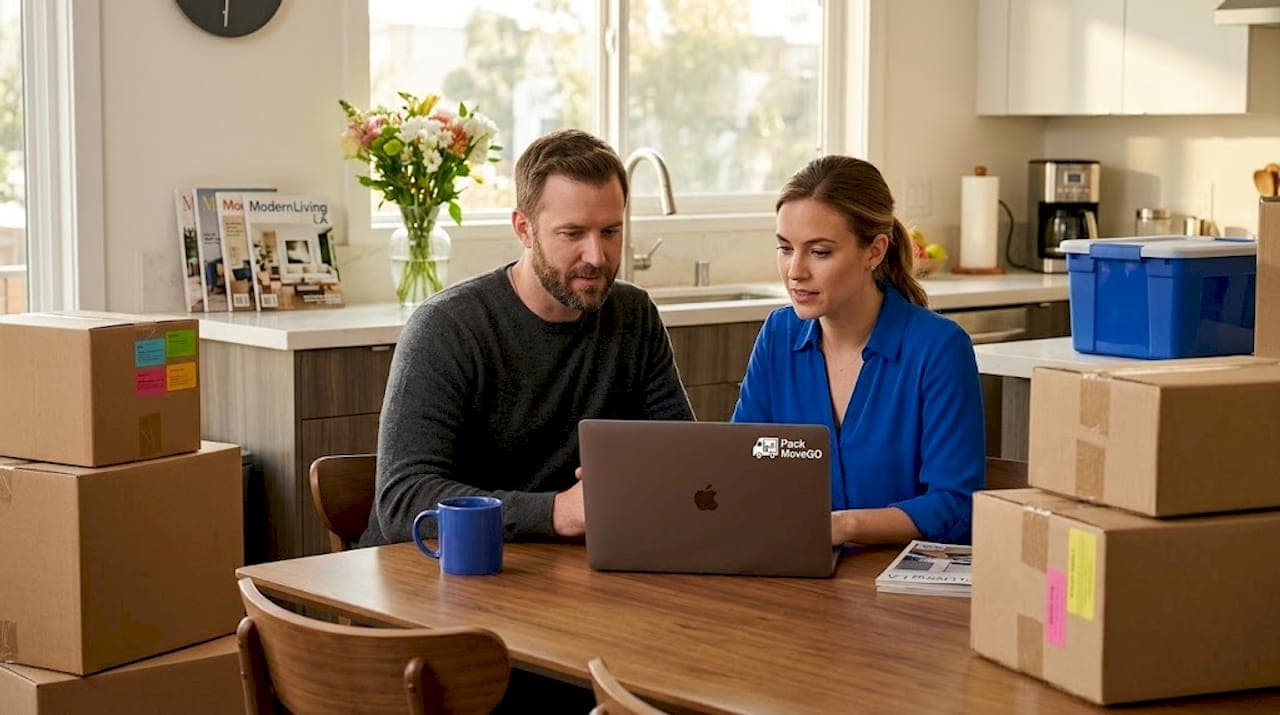
Moving in California is rarely simple. Between HOA rules, apartment restrictions, permit requirements, and the sheer cost of urban living, choosing the right storage solution during a relocation can feel like a project on its own. Portable containers work well for some situations, but they need permits in cities like Los Angeles and San Francisco. Self-storage units offer flexibility, but promo rates can jump sharply after the first few months. U-Box containers work best for 60 to 120 day gaps when you can self-load. This guide breaks down your real options and how to pick the right fit.
Table of Contents
- Key criteria for choosing a mover's storage solution
- Portable storage containers: Flexible but regulated
- Traditional self-storage: Secure, affordable for long gaps
- Storage-in-transit (SIT): Ideal for short, managed gaps%3A-ideal-for-short%2C-managed-gaps)
- Comparing storage options: Which fits your move?
- A mover's-eye view: California storage decisions no one tells you
- Get expert help for your California move's storage needs
- Frequently asked questions
Key Takeaways
| Point | Details |
|---|---|
| Portable container flexibility | Portable containers fit short-term gaps but require permits and space, especially in urban California. |
| Self-storage long-term savings | Self-storage offers security and better rates for extended needs, though promo pricing may rise unexpectedly. |
| Storage-in-transit for quick moves | SIT is ideal for brief, managed gaps where movers handle logistics and item safety. |
| Permits and approvals | Always check building or HOA rules early, as these can block container options for renters. |
| Compare based on timeline | Choose your storage solution based on how long you need it, budget, and access requirements. |
Key criteria for choosing a mover's storage solution
Picking storage is not just about price. California adds layers of complexity that movers in other states rarely face. Before you commit to any option, you need to evaluate your situation against a few specific factors.
The first and most overlooked factor is property type. Renters face more restrictions in California multi-family and HOA properties than homeowners do. If you live in an apartment building or a managed community, your ability to park a portable container on the property depends entirely on building rules and local permits. Homeowners with a driveway have far more flexibility. Check this before you book anything.
The second factor is your timeline. A two-week gap between your move-out and move-in date calls for a different solution than a three-month gap. Short gaps favor managed options like storage-in-transit (SIT), where your moving company holds your items. Longer gaps tend to favor self-storage, where monthly rates are more predictable over time.
Other key criteria to weigh before choosing:
- Access frequency: Do you need to grab items regularly, or will everything sit untouched until delivery day?
- Location logistics: No driveway? No designated parking? That rules out most portable containers for urban renters.
- Budget timing: Promotional rates sound great until month three, when they reset at full price.
- Flexibility needs: Can you commit to a fixed timeline, or does your closing date have a chance of shifting?
Understanding storing items during your move as a logistical step rather than an afterthought changes how you plan your entire relocation. Storage is part of the move, not a last-minute fix.
Portable storage containers: Flexible but regulated
Portable storage containers, like U-Box or PODS, have become popular for California moves because of one key advantage: you load them once and unload them once. That single-touch approach cuts down on handling, which means less risk of damage and less physical effort overall.
Here is how they work in practice. A company drops a container at your property. You fill it at your own pace, often over several days. The company then picks it up and either stores it at their facility or transports it to your new address. This is especially useful when your move-out and move-in dates do not line up perfectly.
The cost difference between providers is significant. U-Box is meaningfully cheaper than competitors for many routes. A Los Angeles to Houston move, for example, runs roughly $1,558 with U-Box versus $3,931 with PODS for a similar load. That gap matters if you are already stretched thin from California's high housing costs.
Key advantages and limitations of portable containers:
- Single load, single unload saves physical effort and reduces item handling
- On-site or warehouse storage gives you location flexibility
- Self-loading keeps labor costs down but requires time and physical capability
- Urban permit requirements in cities like LA and San Francisco can block placement entirely
- HOA or building approval is often needed before the container can be placed
- Best suited for 60 to 120 day gaps when you need flexibility without committing to a storage unit lease
Pro Tip: Call your local city or county permit office at least two weeks before your move date to confirm whether a street or driveway permit is needed for container placement. This one call can save you from a scramble on moving day.
"Portable containers work well for California moves where timing is uncertain, but urban renters should sort out permit and building approval first. Skipping that step is the most common mistake we see."
For practical guidance on preparing your belongings before they go into any container, review these packing tips for California moves to avoid damage during storage periods.
Traditional self-storage: Secure, affordable for long gaps
Portable containers make sense for moderate timelines, but self-storage units are typically the more economical choice when your gap stretches past two or three months. The monthly rate structure works in your favor over time, especially compared to container rental fees that compound quickly.
In California, a standard 10x10 self-storage unit runs around $107 per month on average nationally, but California cities push that number higher. In Los Angeles, expect to pay $100 or more for a basic unit, and that climbs significantly in San Francisco or San Diego depending on the neighborhood and facility quality.
Self-storage facilities offer a few practical advantages over portable containers:
- Drive-up access lets you retrieve or add items any time during facility hours
- Climate-controlled units protect furniture, electronics, and documents from California heat
- No permit required since you are storing at a commercial facility, not on public or private residential property
- Month-to-month leases offer flexibility if your timeline shifts unexpectedly
- Security features like cameras, coded gates, and on-site staff are standard at most California facilities
The catch is logistics. Unlike a container that comes to you, you have to transport everything to the facility yourself, or pay for a truck and labor. That extra step adds cost and effort upfront.
Pro Tip: Many California self-storage facilities offer the first month free or at a significant discount. Always ask about promo rate changes before signing, because those introductory rates often jump significantly in months two or three. Get the post-promo rate in writing.
If you want to estimate how storage fits into your overall relocation budget, a detailed look at moving expenses in California can help you plan more accurately and avoid surprises.
Renters who live in apartments without parking or a driveway should know that self-storage sidesteps the container permit problem entirely. You transport your items to the facility rather than trying to place a large container in a space that may not be approved or available. For urban renters in Los Angeles, San Jose, or San Francisco, this is often the path of least resistance.
Storage-in-transit (SIT): Ideal for short, managed gaps
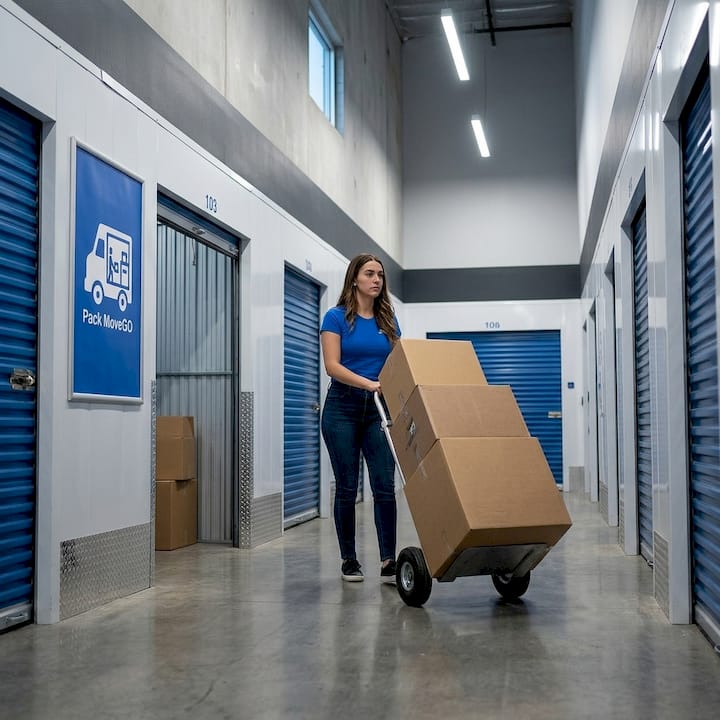
Storage-in-transit, commonly abbreviated as SIT, is a service where your moving company holds your belongings at their own facility for a set period, typically between a few days and 30 to 60 days. It is different from self-storage because your mover manages everything. You do not need to rent a truck, coordinate a facility, or move items twice on your own.
SIT works best when your gap is short and predictable. For example, if your new home closes two weeks after your old one, SIT bridges that period cleanly without requiring you to set up a separate storage arrangement.
Here is a cost comparison across the main California storage options to help you put SIT in context:
| Storage type | Typical cost | Best use case |
|---|---|---|
| Self-storage 10x10 | $100-$150/month (CA) | Gaps of 2+ months |
| U-Box container | $90-$110/month + delivery | Gaps of 60-120 days |
| PODS container | $149-$270/month + $75-$150 delivery | Moderate gaps, flexible access |
| SIT (5,000 lbs, 20 days) | $350-$700 flat | Short gaps under 30 days |
The SIT cost for a 20-day period on a 5,000-pound load typically runs between $350 and $700. That is a flat range rather than a recurring monthly charge, which makes budgeting easier when your timeline is defined.
"SIT removes the coordination burden from the mover. Your belongings stay professionally managed, handled under the same insurance terms as your move, and delivered when you are ready. For short California gaps, it is often the cleanest option."
One important detail: SIT items remain under your mover's liability terms, which usually means the same coverage as the move itself. Self-storage, by contrast, may require you to purchase separate insurance. Check your homeowner's or renter's policy to see if it covers items in storage.
For a broader look at how to plan around these moving decisions, the guide on having a stress-free California move covers the planning side in depth.
Comparing storage options: Which fits your move?
Now that you understand each option, it helps to see them side by side based on the scenarios California movers most commonly face.
- Short gap (under 30 days): SIT is usually the most convenient and cost-effective option. No separate rental needed.
- Moderate gap (30 to 90 days): Portable containers offer the best flexibility. U-Box tends to beat competitors on price for long-distance routes.
- Long gap (3+ months): Self-storage wins on monthly cost, especially once promo rates are factored out. Plan for the logistics of getting items there.
- Urban renter with no driveway: Self-storage is almost always the practical default. Containers face too many permit and placement barriers.
- Homeowner with driveway access: Portable containers shine here. Easy placement, easy access, and no facility trip required.
The cost data is clear. Self-storage is more economical long-term despite the added logistics, while portable containers offer convenience for moderate timelines at a higher price per month. SIT sits in a separate category because it is mover-managed rather than self-managed.
A few final questions to guide your decision:
- How certain is your move-in date? Uncertain dates favor flexible month-to-month self-storage.
- Do you have help loading? If not, SIT or a full-service container option reduces physical effort.
- Is your property HOA-managed or a rental? If yes, skip containers and go straight to self-storage.
- Are you moving long-distance? Compare U-Box and PODS total costs including delivery for your specific route.
For more context on what goes into the packing and preparation phase, packing services in California outlines when professional help makes financial and logistical sense.
A mover's-eye view: California storage decisions no one tells you
Here is what we see repeatedly in California moves: people get surprised by two things. Permits and promo rates. Both are predictable problems, but only if you know to look for them before booking.
The permit issue catches urban renters most often. You book a container, it arrives, and the building manager says no. Or the city requires a permit that takes five business days to process, and you needed the container yesterday. The fix is simple: verify property rules and city permit requirements before you confirm any container reservation. Do this first, not last.
The promo rate trap is subtler. Self-storage is genuinely the most economical option for longer moves, but only if you know what the rate becomes after the first 30 or 60 days. We have seen movers budget for $80 a month and end up paying $160 by month three. Always ask for the standard rate, not the introductory one.
The option most people overlook is a hybrid approach. For a complex California move, using SIT for the first few weeks and then transitioning to a self-storage unit if your timeline extends gives you the best of both. Your mover handles the initial period cleanly, and you have a cost-effective backup if things run longer than expected.
Early HOA and building approval checks are not just a suggestion. They are a move-saving habit. A quick call or email to your property manager two to three weeks out can determine your entire storage strategy. Skipping it creates avoidable chaos.
Our recommendation: treat storage planning the same way you treat booking your moving truck. It is a scheduling and logistics decision that benefits from early action. Waiting until the week of your move limits your options significantly.
For California movers navigating all of these decisions, moving services in California covers why professional coordination often pays for itself in stress reduction and avoided mistakes.
Get expert help for your California move's storage needs
Sorting through storage options while managing a California move is a lot to handle on your own. PackMoveGo offers moving and storage services designed specifically for California's unique challenges, from permit navigation to flexible storage coordination.
Whether you need SIT for a two-week gap, guidance on self-storage facilities near your route, or a full-service move that handles everything from packing to delivery, we can build a plan around your actual situation. Our team works with California's HOA and permit realities every day, so you get practical advice rather than generic options. Visit our moving tips and tricks for more free resources, or get a free quote from PackMoveGo today and let us handle the logistics.
Frequently asked questions
What storage option is best for renters in California apartments?
Renters often need HOA or building approval for containers and may face placement restrictions, making self-storage the simpler choice since no driveway is needed and no residential permit is required.
How much does storage cost for a California move?
Expect to pay $100 or more per month for a 10x10 self-storage unit in California cities, with U-Box containers ranging from $90 to $110 per month and PODS running $149 to $270 per month plus delivery fees.
What's the main advantage of storage-in-transit?
Storage-in-transit lets your mover hold your items at their facility without requiring you to set up a separate rental, making it ideal for short gaps of 30 days or less.
Is it cheaper to use self-storage or portable containers for long moves?
Self-storage is more economical over multiple months, while portable containers become expensive when rental periods extend beyond two to three months.
What's the most overlooked detail for California movers choosing storage?
Most movers overlook permit and HOA approval requirements for containers and fail to ask about the post-promo rate jump that often doubles self-storage costs after the introductory period ends.