
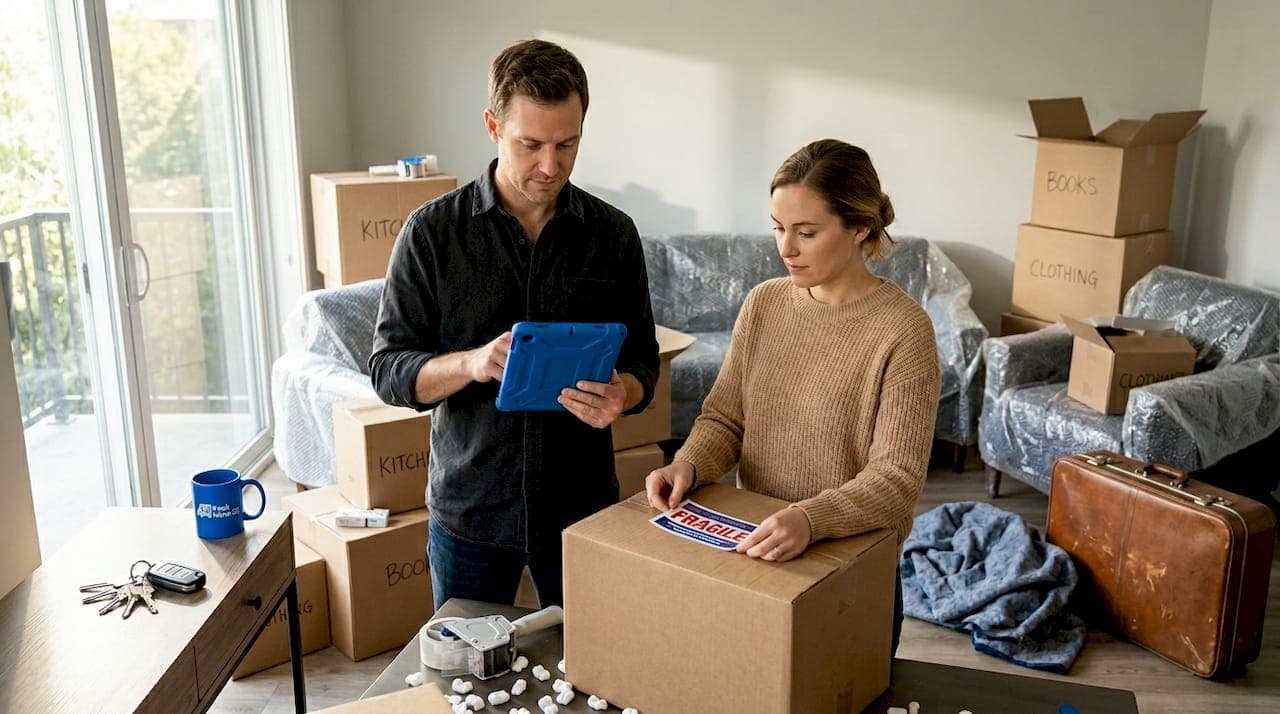
Moving every single thing you own in one go sounds straightforward in theory. In practice, it creates a tangled mess of timing conflicts, cramped spaces, and fragile items at risk. Many California homeowners and renters discover too late that trying to move everything at once is the single biggest source of moving-day chaos. Using storage as part of your relocation plan is not a workaround or a compromise. It is a deliberate, effective strategy that gives you more control, less physical clutter to manage, and a far smoother transition from one home to the next.
Table of Contents
- Understanding the challenges of moving in California
- What are the main reasons to use storage during a move?
- Comparing storage options: which is right for you?
- How to plan for storing items during your move
- Our unique take: Storing items is more than just convenience
- Simplify your move with PackMoveGo's solutions
- Frequently asked questions
Key Takeaways
| Point | Details |
|---|---|
| Storage reduces moving stress | Using storage lets you break up the move, making the process less overwhelming. |
| Flexible options exist | Self-storage, moving company storage, and portable containers offer solutions for every need. |
| Plan ahead for best results | Early storage reservation and careful item selection make moving smoother and safer. |
| Protects belongings | Proper storage minimizes risk of damage and loss during transition periods. |
Understanding the challenges of moving in California
California moves come with a set of complications you will not find in most other states. The rental market moves fast. Landlords in cities like Los Angeles, San Francisco, and San Diego rarely offer flexible move-out windows. You may have exactly 30 days to vacate, but your new place might not be available for another six weeks. That gap alone can derail even the most organized move.
The weather adds another layer. Northern California winters bring rain, and Southern California summers can reach extreme heat. Both conditions create real risks for furniture, electronics, and anything stored in boxes that sit in a moving truck or driveway for hours. Items exposed to moisture warp, swell, or mold. Heat damages electronics, candles, and certain plastics.
Then there is the rush. Most people start packing too late. They underestimate how many items they own, how long wrapping and boxing takes, and how exhausting the physical labor is. The result is a chaotic final 48 hours where nothing is labeled properly, fragile items get buried under heavy boxes, and something always gets left behind or broken.
Storing items during your relocation gives you a buffer. It separates the pressure of vacating from the pressure of settling in, so you are not trying to do both at the exact same moment.
Our moving tips blog covers many of these California-specific stressors in detail, including how to manage timing gaps between leases without losing your mind or your security deposit.
Here is what makes California moves uniquely difficult:
- Tight lease deadlines with little room for overlap
- High demand for storage units in urban areas means availability fills up fast
- Long distances between regions require more planning for multi-stop moves
- Variable weather across the state affects packing material choices and timing
- Traffic and parking restrictions in dense cities complicate loading and unloading
Understanding these obstacles is the first step. The next step is using storage strategically to address each one.
What are the main reasons to use storage during a move?
Once you accept that a single-day move-everything approach is rarely ideal, the reasons to use storage become very practical. The moving services overview at PackMoveGo outlines how storage integrates naturally into a complete relocation plan. Here are the core motivations people use to justify adding storage to their move:
- Bridging the gap between leases. If your move-out date is weeks before your move-in date, storage keeps your belongings safe and accessible during that window instead of living out of a hotel room surrounded by boxes.
- Protecting items from damage. A climate-controlled storage unit is far safer for electronics, artwork, musical instruments, and antiques than a moving truck sitting in California heat for days.
- Simplifying your new home setup. Moving everything at once into a new space creates instant clutter. Storing non-essential items lets you set up the key rooms first and bring in the rest only when you are ready.
- Handling overlapping renovations. If your new home needs painting, flooring work, or other updates before you move in fully, storage keeps your furniture protected and out of the way.
- Reducing physical and mental load. Fewer boxes to manage on moving day means less confusion, fewer trips, and a lower chance of something getting lost or broken.
Pro Tip: Reserve your storage unit at least three to four weeks before your moving date. In high-demand California markets, available units near your neighborhood fill up fast, especially during summer months when most people relocate.
The financial case for storage is also stronger than most people expect. Damaging a single piece of quality furniture or an appliance because it was rushed through a chaotic move can easily cost more than several months of storage fees. Prevention is almost always cheaper than replacement.
Comparing storage options: which is right for you?
Not all storage solutions are the same. The right choice depends on your timeline, budget, location, and what you are storing. Our storage options for moving guide breaks this down in detail, but here is a practical comparison to get you started.
| Storage type | Best for | Typical cost range | Key advantage | Key limitation |
|---|---|---|---|---|
| Self-storage unit | Long-term storage needs | $80 to $300/month | Flexible access hours | You handle all transport |
| Moving company storage | Short gaps between moves | Varies by provider | Integrated with move plan | Less frequent access |
| Portable storage containers | Staged or flexible moves | $150 to $400/month | Stays at your location | Weather exposure risk |
| Full-service storage | High-value or fragile items | Higher cost range | Professionally managed | Less hands-on control |
To match the right storage type to your situation, follow these steps:
- Define your timeline. If you need storage for less than two weeks, moving company storage or a portable container is often the most convenient. For gaps longer than a month, a self-storage unit usually offers better value.
- Inventory what you are storing. Fragile, valuable, or climate-sensitive items need a temperature-controlled unit. Outdoor furniture and garden equipment can tolerate a standard container.
- Check proximity to both addresses. A storage facility that sits roughly between your old and new home saves time and fuel during the transition.
- Verify security and insurance. Look for facilities with 24-hour cameras, secure access codes, and the option to add insurance coverage for stored items.
- Compare access hours. Some self-storage facilities limit access to business hours. If you need to retrieve items on evenings or weekends, confirm the schedule before signing.
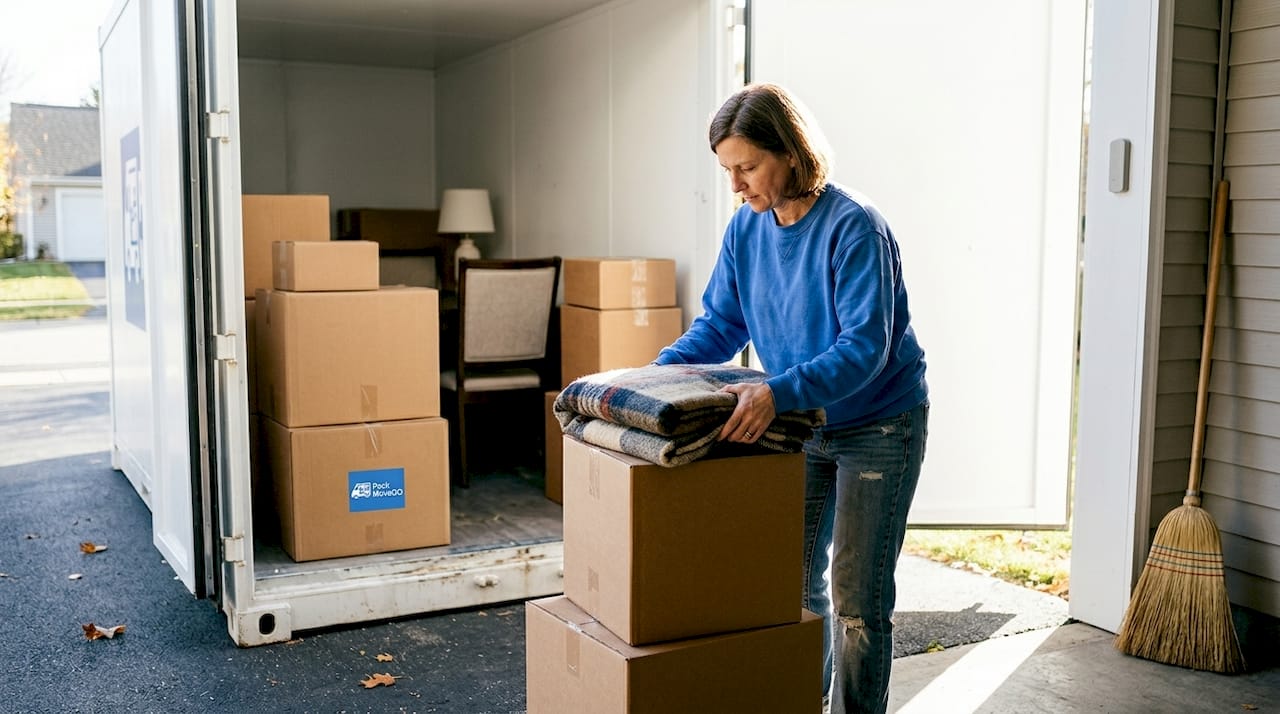
The portable container option deserves a closer look. Companies drop a large container at your current address. You pack it at your own pace, they transport it, and you unpack on your schedule. For people who hate the pressure of a single moving day, this format removes a significant amount of stress. The downside is that containers sitting in driveways can attract attention and may violate HOA rules in some California communities, so check before you book.
How to plan for storing items during your move
Planning is where most people skip steps and then regret it. A well-organized storage plan makes the difference between a smooth staged move and a situation where you cannot find anything and keep making expensive extra trips. Our professional moving services team helps clients build this kind of plan regularly, and the steps are consistent regardless of move size.
Here is a practical checklist to follow:
- Declutter before you store. Storing things you no longer want or need wastes money and creates work later. Go room by room and separate items into keep, donate, sell, and discard piles before a single box gets packed.
- Pack storage items separately. Label storage-bound boxes clearly and differently from boxes going directly to your new home. Use a different color tape or a clear labeling system so nothing gets mixed up on moving day.
- Select your storage unit size carefully. A 10x10 unit holds roughly the contents of a one-bedroom apartment. A 10x20 unit fits a two to three bedroom home. Overestimating slightly is better than cramming items in too tightly.
- Time your reservation. Book storage at the same time you book your movers, not as an afterthought. Both tend to fill up on the same popular dates.
- Verify insurance coverage. Your homeowner or renter policy may cover items in storage, but not always. Ask your insurance provider directly and consider adding coverage through the storage facility if there is a gap.
- Plan for accessibility. Store items you might need during the transition (seasonal clothing, important documents, kids' school supplies) near the front of the unit. Heavy furniture and rarely accessed items go toward the back.
Pro Tip: Create a written inventory of every item going into storage, including photos of valuable pieces. This protects you if something is damaged and makes unpacking far more efficient because you know exactly what is in there before you ever open the door.
For additional moving advice on timing and packing strategies specific to California, the PackMoveGo blog is a solid resource with practical guidance for a range of move types.
Security is another consideration that often gets overlooked until after something goes wrong. Look for storage facilities with individual unit alarms, not just a shared building alarm. Disc locks are harder to cut than standard padlocks. And if you are storing electronics or instruments, a climate-controlled unit in California is not optional; it is necessary.
Our unique take: Storing items is more than just convenience
Here is something most moving guides will not tell you directly. Storage is not just a logistical tool. It is a psychological one.
Moving is consistently ranked among the most stressful life events a person can go through. The reason is not purely physical. It is the feeling of losing control. Everything you own is in transition. Nothing is where it belongs. The environment around you is unfamiliar. Your routine is disrupted. That kind of disorientation adds up quickly, and it affects how well you function during the move and in the weeks after.
Storage gives you a zone of control. When part of your belongings are safely stored and organized, the chaos of the active move feels smaller and more manageable. You are not responsible for tracking every single item every single minute. Some things are handled, secured, and waiting. That mental separation matters more than most people realize until they experience it firsthand.
We have also seen, through years of helping California residents relocate, that the people who struggle most with settling into a new home are the ones who moved everything in at once. They spend weeks navigating around boxes they never unpack because the decision fatigue of where to put everything becomes overwhelming. Bringing items in gradually, with only what you need immediately arriving first, gives you the chance to actually think about your new space before filling it.
From our expert moving perspectives, the clients who use storage intentionally almost always report less post-move stress and a faster transition to feeling at home. That outcome is worth more than the cost of a few months of storage.
California moves in particular benefit because the market moves so fast. You may make a housing decision under pressure and then realize the new space needs work, or the timing was not quite right. Storage creates the breathing room to course-correct without making everything worse.
Simplify your move with PackMoveGo's solutions
Moving in California does not have to be a single overwhelming event. With the right plan, the right timing, and the right support, it becomes a series of manageable steps.
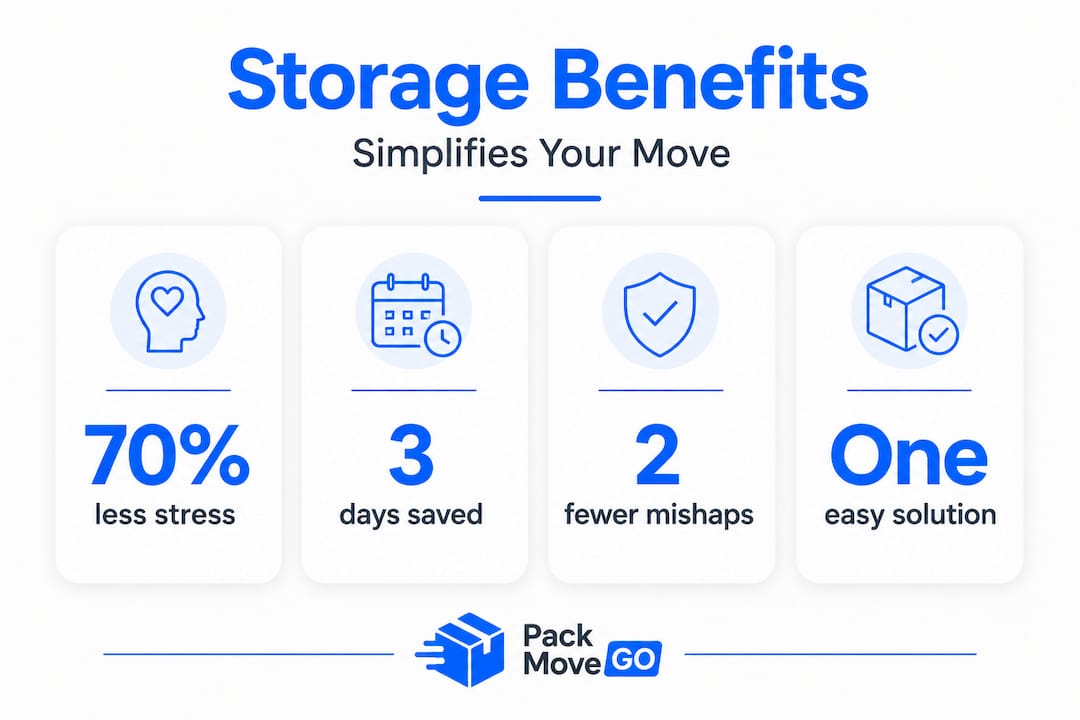
PackMoveGo offers residential and commercial moving solutions built specifically for the California market, including storage options that integrate directly into your relocation timeline. Whether you need short-term storage during a lease gap or longer-term solutions while your new home is being prepared, we coordinate the full process so you are not juggling multiple vendors. Browse our moving tips and tricks for free resources, or get a quote through our professional moving solutions platform. We are licensed, insured, and available around the clock to keep your move on track.
Frequently asked questions
How can storing items help with a staggered move?
Storing items allows you to move possessions in phases, which prevents clutter at both addresses and gives you flexibility if your move-in timing shifts unexpectedly.
What items should I prioritize for storage?
Prioritize bulky furniture, seasonal belongings, and rarely used items first; these free up the most space and cause the least disruption when stored, according to PackMoveGo services.
Is professional moving storage safer than self-storage?
Professional moving storage often includes monitored facilities and built-in insurance through your moving provider, which provides stronger protection than most standard self-storage units.
How early must I reserve storage before moving?
It is best to reserve storage at the same time you book your movers; California markets, especially in summer, fill storage availability quickly and waiting too long limits your options significantly.